Clever gardening tips for pet owners
Posted on 16/08/2025
Clever Gardening Tips for Pet Owners: Creating a Safe & Stylish Garden Haven
Gardens are a sanctuary--a place to unwind, enjoy nature, and nurture beautiful plants. But for those of us who share our homes with furry friends, gardening comes with its own unique set of challenges. Curious paws and adventurous noses can wreak havoc on delicate blooms, while toxic plants or dangerous gardening products can put our beloved pets at risk. Luckily, with some smart planning and a dash of creativity, pet owners can create a stunning, pet-friendly garden that thrives. This comprehensive guide is packed with clever gardening tips for pet owners to help you cultivate a space where both plants and pets flourish.
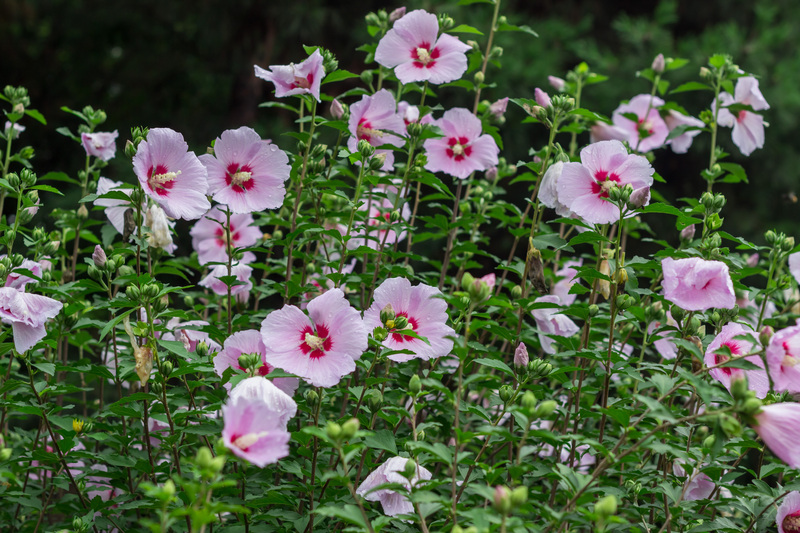
Understanding the Challenges: Why Pet-Friendly Gardening Matters
Before you roll up your sleeves, it pays to understand the common gardening hazards for pets. While it's natural for dogs and cats to gravitate towards lush outdoor spaces, certain plants, pesticides, and garden designs may pose threats. For instance:
- Toxic plants like lilies, daffodils, and azaleas can harm pets
- Sharp tools and mulch types can cause injury or digestive problems
- Chemical fertilizers and pesticides can be dangerous if ingested
- Unprotected ponds or water features may lead to accidents
Addressing these issues from the outset is crucial for crafting a pet-safe garden. Here's how you can combine style, functionality, and safety to provide an outdoor space pets and people will love.
1. Choose Safe Plants for Pets
Pet-Friendly Plants: Your Go-To Greenery
The heart of any garden is its plant life. When gardening with dogs and cats in mind, opt for non-toxic plants that won't harm your furry companions. Some wonderful, safe choices include:
- Sunflowers - Bright and bold, these are safe for pets
- Marigolds - Hardy and non-toxic to dogs and cats
- Basil, rosemary, and thyme - Herbs that are safe and offer culinary perks
- Spider plants and bamboo palms - Safe for both cats and dogs indoors or outdoors
- Pet grass (wheatgrass) - A fun snack for felines and an attractive border plant
Plants to Avoid in a Pet-Friendly Garden
Equally important is knowing what to keep out of your garden. Here are common species that are best avoided if you share your garden with pets:
- Lilies (deadly to cats)
- Daffodils and tulips (bulbs are toxic)
- Oleander, foxglove, azalea, and rhododendron
- Sago palm and castor bean
- Tomato and potato plants (leaves and stems are harmful)
Pro tip: Always cross-reference new plants with resources like the ASPCA's toxic plants list before purchasing or planting.
2. Clever Garden Design Tips for Pet Owners
Plan Paths and Play Areas
Our pets love to explore! Designing pet-friendly paths within your garden serves double duty: it protects your prized plants and gives pets their own designated play routes. Here's how:
- Use gravel, mulch, or smooth flagstone for paths: These materials are gentle on paws but tough enough to withstand zoomies and digging.
- Create loops or circuits: Give dogs a space to patrol, which can reduce their temptation to trample flower beds.
- Install agility-style features: Think tunnels, logs, or mounds for enrichment and exercise.
Enclose Garden Beds
To minimize damage from digging or trampling, consider low fencing or raised beds around garden areas. Some solutions include:
- Short decorative fencing that keeps out pets but doesn't block the view
- Raised beds (12"-24" high) - Out of reach for most small pets
- Dense groundcovers or border plants (like boxwood or lavender) as living barriers
3. Smart Mulching Choices for Pet Owners
Mulch helps regulate soil moisture and reduce weeds but not all mulches are created equal for pet safety. Here's what to keep in mind:
- Safe choices: Pine, cedar, or shredded leaves offer a natural, non-toxic base.
- Avoid: Cocoa mulch, which smells like chocolate and is highly toxic to dogs.
- Be mindful of sharp mulch pieces or those treated with chemicals--opt for organic, pet-friendly products.
Extra tip: If you notice your pet has a tendency to eat mulch, try using stones, pebbles, or a combination of hardscape with soft plants instead!
4. Pet-Safe Pest and Weed Control
Natural Solutions for a Healthy Garden
Traditional pesticides and herbicides can be dangerous for pets. Fortunately, there's a growing range of eco-friendly and pet-safe alternatives:
- Neem oil and insecticidal soaps control pests safely.
- Diatomaceous earth (food grade) deters slugs and insects.
- Hand-pulling weeds, mulching, and boiling water are simple, non-toxic weed control solutions.
- Plant aromatic herbs like mint, rosemary, or basil to naturally repel some pests.
Warning: Even some natural remedies (like garlic or citrus sprays) can be dangerous for pets if ingested in large quantities. Always apply according to instructions, and keep pets away until any sprays or products are fully dried or absorbed.
5. Preventing Digging and Plant Damage
Why Do Pets Dig?
Digging is natural for both dogs and cats. They may dig to cool down, chase scents, bury treasures, or simply burn off energy. Here's how to minimize disruption:
- Designate a dig zone: Set aside a corner with sand or loose soil where your pet is allowed to dig. Bury toys and treats here to encourage use.
- Block off sensitive areas with chicken wire under the soil or decorative rocks on the surface.
- Exercise your pet well so they've less energy for mischief!
- Insert deterrents like pinecones or citrus peels around precious plants (cats and dogs usually dislike these textures and smells).
6. Water Safety and Access for Pets
Keep your garden a safe haven with these water-wise tips:
- Secure ponds and pools with fencing or netting to prevent drowning incidents. Shallow water is safest.
- Provide fresh drinking water in a shady spot--a birdbath at ground level or a sturdy bowl refilled daily is perfect.
- Use non-toxic, plant-friendly water treatments if any.
Did you know? Many dogs and even cats love water features. A gently bubbling fountain or spray can entertain and cool them on hot days--just ensure their safety and supervision.
7. Create Shady Retreats and Shelter
Just like us, pets need protection from the sun and weather. Include shady nooks in your garden, such as:
- Trellises, pergolas, or arbors draped with fast-growing vines
- Large shrubs or small trees like dogwood or crepe myrtle
- Pet-sized tents, tunnels, or purpose-built shelters
Extra comfort: Place a soft bed or mat in a cool, shaded zone so your dog or cat can relax after a game of fetch or a bout of butterfly chasing.
8. Securing Boundaries: Fencing and Safety
Choosing the Right Fence
Physical boundaries are a must if you want pet-proof gardening and a secure space.
- Solid, tall fencing (at least 4-6 feet high for most dogs) keeps pets safe and discourages escape.
- No-dig base: Extend fencing underground by 1-2 feet to stop determined diggers from tunneling out.
- Catios or enclosures: For feline friends, try a "catio" (cat patio) or mesh overhead to keep curious cats contained.
Inspect regularly for gaps, holes, or wobbly panels that pets might exploit.
9. Composting with Pets
Composting is a sustainable gardening practice, but an open compost pile can attract curious noses. Some items, like coffee grounds, moldy food, or certain garden debris, can make pets sick.
- Opt for a lidded, pet-proof compost bin.
- Avoid adding animal by-products (meat, fat, dairy) to reduce odors and attractants.
- Monitor the pile for foreign objects or potential hazards, especially if pets roam freely.
10. Garden Decor and Features: Pet-Smart Choices
Garden ornaments, lighting, and features should enhance beauty without causing harm. For a pet-friendly garden:
- Select sturdy statues or decor that won't break easily if nudged.
- Solar lights or LED fixtures are safer than cords that could tangle or shock.
- Avoid small, chewable ornaments or breakable glass.
- Check wind chimes or spinners don't have sharp edges.
Pet Enrichment: Keep Your Furry Friends Happy!
A bored pet is more likely to dig, chew, or uproot plants. Enhance your pet's outdoor life with these enrichment ideas:
- Catio for cats: A secure outdoor cat enclosure lets them sunbathe, play, and watch birds safely.
- Puzzle feeders or treat balls to provide entertainment and distraction.
- Sandpits for supervised digging fun.
- Rotating toys, agility equipment, and safe climbing structures.
Tip: Join in! Interactive games with you are the ultimate enrichment for pets.
Year-Round Pet Gardening: Seasonal Tips
Spring & Summer
- Reapply flea/tick prevention and check for grass seeds in fur.
- Monitor pets for overheating--encourage water play and access to shade.
- Check mulch and fertilizer labels before seasonal application.
Autumn & Winter
- Clear up fallen leaves and acorns, which some pets may nibble.
- Check paths and steps for slippery moss or ice.
- Add extra shelter or insulation if pets spend time outdoors.
Eco-Conscious Pet Gardening: Sustainability Tips
You can have an eco-friendly, sustainable space with these additional tips:
- Install rain barrels for pet-safe water and watering
- Grow native plants that support pollinators and require less maintenance
- Reuse materials: Old logs, bricks, or stones can make pet play features or decorative borders
- Try organic or homemade pet-safe fertilizers, like compost tea

Summary: Your Pet-Proof Gardening Checklist
To create a gorgeous, pet-friendly garden that makes tails wag, simply remember:
- Choose non-toxic plants and check new additions for pet safety
- Designate paths and play areas to channel energy and protect plants
- Use safe mulches and avoid harmful chemicals
- Secure boundaries and protect water features with fences or netting
- Offer enrichment and comfort with shade, toys, and cozy resting spots
- Compost wisely with pet-proof bins
- Monitor garden decor for potential pet hazards
Conclusion: Enjoying Your Pet-Safe Garden Together
Combining your love of gardening with your devotion to pets is not only possible--it's deeply rewarding. With these clever gardening tips for dog and cat owners, you can foster a vibrant, beautiful landscape that's as welcoming to wagging tails and twitching whiskers as it is to family and friends. A little planning, smart plant choices, and simple modifications are all it takes to cultivate a garden where pets roam safely, curiosity is satisfied, and the entire household thrives in a blooming, joyful environment.
Happy gardening--and happy exploring, to you and your furry friends!
Latest Posts
First Steps in Garden Revival: Your Makeover Guide
Five Expert Tips to Protect Your Garden from Extreme Weather
Creating a Wonder-Filled and Child-Accommodating Garden

As a seasoned gardener, Patrick excels in providing assistance to numerous clients in achieving their gardening aspirations. His proficiency in writing further enhances his ability to cover a broad spectrum of topics pertaining to gardening and landscape architecture.