Avoid common mistakes when hiring Shoreditch gardeners
Posted on 03/11/2026
If you're trying to hire help for a tired lawn, an overgrown hedge, or a whole garden refresh, the process can feel oddly risky. One quote sounds cheap, another sounds vague, and a third promises the moon by Friday. In Shoreditch, where outdoor spaces can be compact, awkward, shaded, or simply busy with everyday life, the wrong hire can waste time and money fast. This guide shows you how to avoid common mistakes when hiring Shoreditch gardeners, so you can choose someone capable, trustworthy, and actually suited to your garden.
We'll look at what to check, what to ask, the red flags people miss, and how to compare gardeners without getting lost in jargon. A small misstep now can turn into patchy results later. Better to slow down for five minutes than sort out a gardening headache for five weeks, honestly.
Why Avoid common mistakes when hiring Shoreditch gardeners Matters
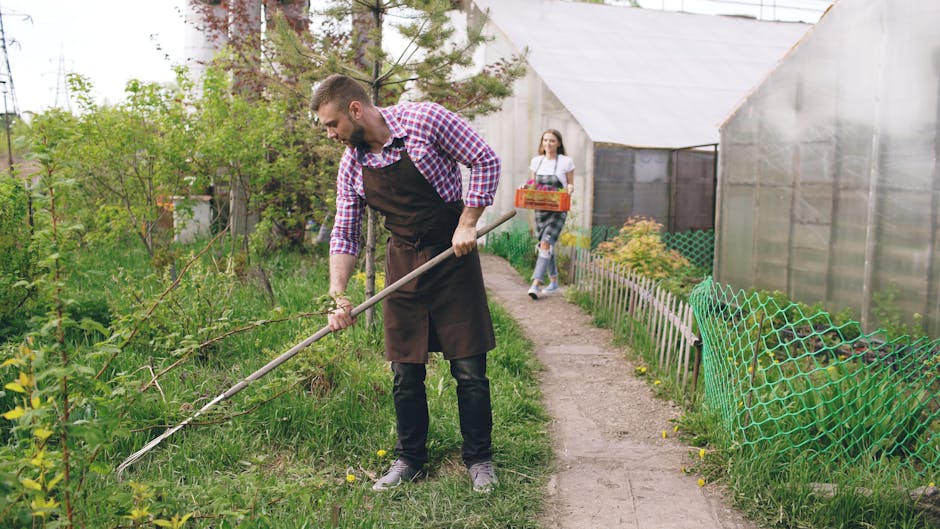
Garden work looks simple from the outside. Mow the lawn, trim the hedge, pull the weeds, tidy the beds. But once you start comparing quotes, you'll notice the real differences: some gardeners specialise in maintenance, some are better at design-led work, and some are more suited to one-off clearance jobs. Hiring the wrong type of gardener is one of the most common reasons projects drift, get overcharged, or end in awkward "that's not what I meant" conversations.
In Shoreditch, the challenge can be even trickier. Many gardens are small and enclosed, with access issues, shared boundaries, decking, paving, or mature planting squeezed into tight layouts. That means a gardener needs more than enthusiasm. They need judgement. They need to understand how to work around neighbours, access constraints, seasonal growth, and the reality of a London garden that may have more shade than sun.
When you avoid hiring mistakes, you're not just buying labour. You're buying calm, consistency, and fewer surprises. And let's face it, surprises are great for birthdays, not for invoices.
For readers thinking beyond simple tidy-ups, it may also help to explore related planning topics such as low-stress garden maintenance ideas and the first steps in a garden revival before you even request quotes.
How Avoid common mistakes when hiring Shoreditch gardeners Works
The process is really about matching the job to the right person. A good hire is not just someone with a mower and a van. It's someone who can understand the scope, explain what they will do, and carry it out without creating avoidable problems.
At a practical level, the hiring process should work like this:
- You define the job clearly, including what must be done, what can wait, and what you want the final result to look like.
- You check whether the gardener offers the right type of service, from regular garden maintenance to hedge trimming, lawn care, landscaping, or tree work.
- You compare quotes on more than price alone, looking at scope, timing, materials, and any exclusions.
- You confirm practical details such as access, waste removal, insurance, and whether they can handle specialist tasks safely.
- You agree the work in writing so both sides understand the expectations.
That's the simple version, but it saves a lot of confusion. A gardener who regularly handles lawn mowing will not always be the right choice for structural pruning or complex landscaping. Likewise, someone brilliant at sculpted hedges may not be the best fit for ongoing lawn care. The right hire depends on the job, not the logo on the van.
If your garden has features like timber, seating areas, or hard landscaping, it can be worth thinking ahead. A gardener who understands the relationship between planting and surfaces is usually safer around features like decking and paving. For example, our decking material guide is useful if you're planning improvements alongside maintenance.
Key Benefits and Practical Advantages
Careful hiring gives you more than tidy borders. It helps you protect the health of the garden and the value of the work you're paying for.
- Better results: The right gardener is more likely to prune, mow, and plant in a way that suits the space.
- Fewer surprises: A clear quote and scope reduce awkward extras later.
- Safer work: Proper handling of tools, ladders, hedge trimmers, and waste lowers the chance of damage.
- Less repeat work: Mistakes like overcutting hedges or stripping soil can take months to correct.
- Stronger garden health: Good timing and technique matter, especially for lawns, shrubs, climbers, and seasonal beds.
There's also a mental benefit people often overlook. When you trust the gardener, you stop second-guessing every visit. You know what's happening, you know why it's happening, and you don't have to hover by the back door wondering if the rosemary is about to get the chop. That peace of mind is worth something.
For many homeowners, especially those juggling work and family life, that reliability is the real win. You may also want to read about affordable, stress-free maintenance to see how routine care can keep costs under control.
Who This Is For and When It Makes Sense
This advice is for anyone who wants better value from local gardening help. That includes:
- busy homeowners who need a dependable regular gardener
- landlords and property managers keeping outdoor spaces presentable
- first-time buyers settling into a garden that needs sorting out
- families wanting safer, tidier outdoor spaces for children or pets
- people planning seasonal work like hedge cuts, lawn recovery, or planting refreshes
- anyone with a small urban garden where access and layout matter
It makes sense to be especially careful if the garden has more than one issue. Maybe the lawn is thin, the fence line is uneven, and a few shrubs have outgrown their space. Maybe there's a deck that traps debris, or a shaded corner where weeds keep coming back. That's when a broad, polished sales pitch can be misleading. You need someone who can actually diagnose the space.
If your garden includes climbing plants, vertical features, or privacy screening, related reading like living wall expertise and a permanent ivy solution may help you decide whether you need maintenance, installation, or both.
Step-by-Step Guidance
1. Define the job properly
Start with the outcome you want. Not just "tidy the garden", but what that means in practice. Do you want a short-term reset, ongoing monthly maintenance, or a complete redesign? Are you asking for hedge trimming, lawn mowing, weed removal, soil improvement, planting, or all of the above?
The clearer your brief, the easier it is to compare gardeners fairly. It also helps you avoid paying for work you never asked for. A vague brief creates vague quotes. Vague quotes tend to become expensive quotes. Funny how that works.
2. Check the service match
Different gardeners have different strengths. Some are great at routine upkeep. Others are better at landscape changes or specialist plant care. If you need tree work, a dedicated tree surgery service is more appropriate than a general tidy-up. If your lawn is patchy and tired, a focused lawn care service may be more suitable than basic mowing alone.
Matching the right service to the right task avoids wasted visits and patchy results.
3. Ask about experience in similar gardens
Shoreditch gardens often have a particular rhythm: compact layouts, boundaries close to neighbours, mixed surfaces, and a lot of "make it look good without overdoing it." Ask whether the gardener has handled similar spaces. A short, confident answer is usually more useful than a long, glossy one.
4. Compare the quote, not just the price
Low quotes can hide missing essentials. Ask what is included: labour, materials, clearance, follow-up visits, disposal, plant supply, and VAT if applicable. A cheaper quote might leave out the very thing you need most, like waste removal after hedge cutting or proper edging after mowing.
5. Confirm practical details before the first visit
Who will attend? What time? How long should it take? What access do they need? Can they work while you're out? Are there pets, locked gates, fragile surfaces, or parking constraints to mention? These basics sound dull, but they prevent the classic "we thought someone else had the key" moment.
6. Get the scope in writing
You do not need a novel. A simple written summary is enough. It should state the work to be done, the date or frequency, any exclusions, and any agreed price structure. That way, if expectations drift later, you can both refer back to the same thing.
Expert Tips for Better Results
Here's the part that tends to save people real money over time.
- Choose by task, not just by reputation. A well-known local name is useful, but it still has to fit your garden's actual needs.
- Ask how they approach seasonal timing. Cutting and planting at the wrong time can set a garden back. Timing matters more than most people think.
- Look for plain-language explanations. If a gardener can explain what they'll do without hiding behind jargon, that's a good sign.
- Check how they handle aftercare. Especially with planting, hedges, or lawn renovation, follow-up advice matters.
- Notice how they talk about uncertainty. A trustworthy gardener won't pretend every problem has an instant fix. Sometimes soil needs improving before planting. Sometimes the honest answer is "not yet".
One small but useful habit: ask what could go wrong. Not in a paranoid way, just in a practical one. If they say "nothing ever goes wrong", that's probably the point where you smile politely and keep looking.
For more detailed planting or design support, it can be helpful to read about ground covers for UK gardens, shade-loving evergreen climbers, or fast-growing privacy hedges if those are part of your plan.
Common Mistakes to Avoid
This is the section that can save you from a headache.
1. Choosing the cheapest quote without checking scope
Price matters, but it is not the whole story. A low number can hide shortcuts, limited visits, or missing disposal costs. Always compare what is actually included.
2. Not checking whether the gardener is suitable for the job
A tidy-up gardener is not automatically a landscaping gardener, and a lawn specialist may not be ideal for hedge reshaping or tree work. The right fit matters.
3. Skipping the written summary
Even if the gardener seems friendly and capable, put the basics in writing. Memory is a slippery thing once the work starts.
4. Failing to mention awkward access or site conditions
Narrow side access, slippery paving, shared entrances, parked vehicles, pets, or storage issues can affect the job. If you leave these out, don't be shocked when the plan changes on the day.
5. Ignoring insurance and safety questions
You do not need to interrogate anyone like a detective, but you should know whether they take safety seriously. For work involving ladders, cutting tools, or larger trees, this is particularly important.
6. Assuming every gardener handles waste removal the same way
Some take clippings and debris away; others do not. Ask before the job begins. A neat garden can still leave a messy pile if this detail is missed.
7. Overlooking specialist work needs
If your garden needs pressure washing, fencing help, or a new layout, a general gardener may not be enough. Services such as patio cleaning, fencing work, or landscaping support may be more appropriate depending on the job.
8. Forgetting about the long game
A one-off tidy is useful, but some gardens need ongoing care. If you only chase the short-term fix, weeds, poor soil, and neglected edges usually come back. Quite rudely, too.
Tools, Resources and Recommendations
You do not need a shed full of kit to hire well, but a few simple tools and references make the process easier.
- Your own garden notes: Take photos before requesting quotes. Include problem areas, access points, and anything fragile.
- A written shortlist: Note what matters most to you: price, reliability, specialist plant knowledge, speed, or low-maintenance design.
- A calendar reminder: Seasonal jobs are easier when you plan ahead. Hedge cuts, winter protection, and lawn care are better scheduled than rushed.
- Basic questions list: Keep the same questions for each quote so your comparisons are fair.
- Service pages and guides: If you are comparing ongoing care options, pages like garden maintenance, lawn mowing, and general gardening services can help you understand what type of support you actually need.
On the planning side, a little inspiration can go a long way. If you're improving structure or planting density, browse ideas such as sculpted hedges, weed control, and soil improvement with organic waste.
Law, Compliance, Standards, or Best Practice
For most domestic garden jobs, the big issue is not formal law but sensible working practice. Still, there are a few things worth keeping in mind.
Insurance and safety: Any gardener working with tools, ladders, machinery, or tree-related equipment should treat safety seriously. If there is a risk of damage or injury, insurance and safe working methods matter. If you're unsure, ask direct questions and check the company's stated approach to insurance and safety and health and safety policy.
Access and property care: A professional should work carefully around neighbours' property, shared access, and your own surfaces, especially where paving, glass, decking, and fences are involved. Best practice means leaving the space as agreed, not simply "done, sort of".
Data and payment handling: If you book or pay online, you should feel comfortable with the provider's approach to privacy and payment security. Reading their stated policies is not overcautious; it is normal due diligence. Helpful pages include payment and security, privacy policy, and terms and conditions.
Environmental care: Good gardening practice usually means avoiding unnecessary waste, using the right products for the right job, and protecting planting where weather conditions demand it. If your garden is exposed, reading about protecting gardens from extreme weather can help you ask better questions.
None of this is meant to sound heavy. It's just the stuff that separates a smooth job from a frustrating one.
Options, Methods, or Comparison Table
Different hiring approaches suit different jobs. Here's a simple comparison to help you choose.
| Approach | Best for | Strengths | Risks |
|---|---|---|---|
| One-off tidy-up | Overgrown or neglected gardens | Fast reset, useful for seasonal clear-outs | Can miss longer-term issues like soil health or lawn decline |
| Regular maintenance | Busy households and rental properties | Consistent presentation, easier upkeep | May not address deeper redesign needs |
| Specialist service | Hedges, lawns, trees, fencing, patio care | Better technical fit for a specific task | May cost more if you only needed simple general work |
| Full landscaping project | Garden redesign or structural changes | Best for transforming layout and function | Requires clearer planning, stronger communication, and usually more time |
If you are unsure which route suits you, start with the least dramatic option that still solves the problem. That sounds obvious, but people jump straight to a full makeover when a careful tidy and soil refresh would have been enough. A bit of restraint usually helps.
Case Study or Real-World Example
A Shoreditch homeowner wanted a quick turnaround before a family visit. The garden had a tired lawn, a hedge that had gone a bit wild, and a back corner full of weeds. The first quote they received was cheap and cheerful, but it did not mention waste removal, hedge shaping, or any aftercare. The second quote cost more, but it clearly separated lawn care, hedge trimming, clearance, and a light soil improvement recommendation.
They chose the clearer option. The result was not flashy, just solid. The hedge looked deliberate rather than hacked back, the lawn recovered better over the following weeks, and the back corner was turned into a neater planting area instead of a muddy afterthought. The homeowner later said the best part was not the visible change, but how easy the process felt. No chasing. No confusion. No "I thought that was included".
That is the pattern you want to repeat. Not perfection. Predictability. A garden can always be improved later, but a messy service experience is harder to forgive.
Practical Checklist
Use this before you hire anyone.
- Have I described the job clearly?
- Do I know whether I need maintenance, specialist care, or landscaping?
- Have I asked what is included in the quote?
- Have I checked whether waste removal is part of the service?
- Have I explained access, parking, pets, and any awkward site conditions?
- Have I asked about insurance and safety?
- Have I requested written confirmation of scope and price?
- Have I compared more than one quote?
- Do I know what the follow-up or aftercare looks like?
- Does the gardener seem to understand gardens like mine, not just gardens in general?
If you can tick most of those boxes, you are already ahead of many people. Seriously, most problems start before the first spade hits the soil.
Conclusion
The smartest way to avoid common mistakes when hiring Shoreditch gardeners is simple: define the job clearly, compare fairly, ask about safety and scope, and choose a gardener whose experience matches the work in front of you. That approach protects your budget, reduces stress, and gives your garden a much better chance of looking good for the long term.
In a place like Shoreditch, where every outdoor space seems to have its own quirks, good gardening support is less about flash and more about fit. If the person you hire listens carefully, explains clearly, and respects the space, you're probably on the right track. And once that's in place, the whole process gets easier. Cleaner. Calmer. Much less faff.
Get a free quote today and see how much you can save.
When the right hands are working in the garden, even a small space can feel surprisingly open, peaceful, and full of possibility.


As a seasoned gardener, Patrick excels in providing assistance to numerous clients in achieving their gardening aspirations. His proficiency in writing further enhances his ability to cover a broad spectrum of topics pertaining to gardening and landscape architecture.