Delays and access problems for Shoreditch gardeners on narrow mews
Posted on 11/11/2026
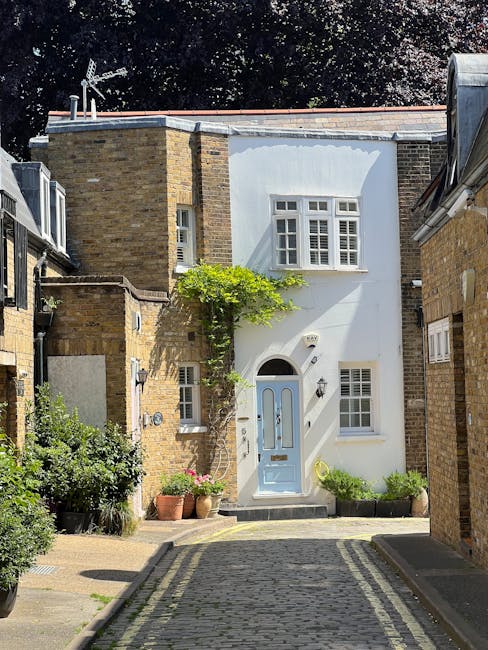
If you have ever watched a gardener pause outside a mews while trying to work out where to park, how to bring in tools, or whether a wheelbarrow will fit, you already know the issue. Delays and access problems for Shoreditch gardeners on narrow mews are not a small inconvenience; they shape the whole job from the first five minutes to the final tidy-up. In Shoreditch, where tight lanes, awkward entrances, and shared access are part of everyday life, the smoothest gardening work usually comes from careful planning rather than brute effort.
This guide breaks down what causes the hold-ups, why they matter, and how to reduce them without turning a simple garden visit into a logistical saga. We will look at real-world solutions, sensible scheduling, practical equipment choices, and the little details that save time when space is tight. Truth be told, narrow mews can be a delight to work in once the access puzzle is solved.
Why Delays and access problems for Shoreditch gardeners on narrow mews Matters
Narrow mews are charming, but they are not always friendly to garden work. Space is limited, turning circles are awkward, and residents may share entrances, bins, bike storage, or parked vehicles. A job that should take two hours can drift into half a day if tools need to be carried by hand or if the team has to keep stopping to let neighbours through.
For gardeners, delays are not just annoying. They can affect plant health, waste removal, noise levels, and even customer satisfaction. If a hedge trimming visit starts late because access was blocked, the whole schedule downstream may shift. That matters in a busy part of London where jobs often follow one another closely.
There is also a quality issue. When access is difficult, rushed work is more likely. Edges may be missed, soil bags may be left in the wrong place, and delicate plants can be damaged by repeated squeezing through tight gaps. In practical terms, good access planning protects the garden as much as the gardener.
It helps to think of access as part of the service, not an afterthought. The best outcomes usually come from a simple question asked early: how does the team get in, work safely, and leave without creating a bottleneck?
How Delays and access problems for Shoreditch gardeners on narrow mews Works
These delays usually happen in one of three places: arrival, movement within the site, or exit. A gardener may arrive on time but spend ten minutes finding a legal stopping point. Then there is the transfer of tools, fuel, compost, cuttings, and machinery through a passage barely wide enough for two people to pass comfortably. Finally, the departure can be slowed by waste sacks, awkward gate locks, or a neighbour returning to use the shared route.
In a typical mews setting, the process becomes a chain reaction. If one bag of green waste is carried the long way round, every other item follows. If a mower or hedge trimmer cannot be wheeled in, the team may need more hand-carrying and more breaks. And if the path is damp or uneven, the risk of slips and accidental knocks rises. It is not dramatic, just time-consuming. The sort of thing that quietly eats an afternoon.
Gardeners usually adapt by breaking the visit into smaller movements. They may pre-pack tools in compact cases, use lighter hand tools instead of bulky machines, and stage materials in the most accessible part of the garden first. A well-run team will also check whether there is a rear route, a side gate, or a neighbourly arrangement that can make the job less awkward.
This is where experience really shows. A team used to Shoreditch's tighter streets will often spot bottlenecks before they happen. They will notice the low gate latch, the shared driveway, the awkward bin store, the awkwardly placed bike rack. Small things, but they matter.
Key Benefits and Practical Advantages
When access is planned properly, the gains are immediate and very practical.
- Shorter site set-up time: less standing around, more actual garden work.
- Lower risk of damage: fewer scraped walls, crushed borders, or scuffed paving.
- Better neighbour relations: shared spaces stay clear and usable.
- Cleaner finish: waste can be removed more efficiently, so the garden is tidier at the end.
- Less disruption to residents: especially helpful in mews where people are coming and going all day.
- More predictable pricing: less unplanned labour usually means fewer surprises.
There is a quieter benefit too: better morale on the job. A crew that can move comfortably, work safely, and avoid constant obstacle management tends to do better work. That sounds obvious, maybe even a bit dull, but it is true. The garden feels calmer, the pace is steadier, and the finished result usually shows it.
For homeowners, this can also open up more ambitious options. Once access is under control, services like regular garden maintenance in Shoreditch become much easier to schedule, and more substantial work such as landscaping projects can be planned with fewer unknowns.
Who This Is For and When It Makes Sense
This topic matters most for anyone whose garden is reached through a narrow passage, a shared mews entrance, or a restricted rear access route. That includes residents in converted buildings, mews houses, basement flats with stepped access, and properties where the garden is technically private but practically hard to reach.
It also matters if your garden work regularly involves one or more of the following:
- hedge cutting or pruning with larger clippings to remove
- lawn care where mower access is tight
- tree work that produces bulky waste
- patio or hardscape cleaning that needs hoses, water supply, and drainage planning
- seasonal clearances after wind, rain, or leaf fall
If your garden is mainly container-based or lightweight, access problems may be less severe. But even then, a narrow mews can still slow down deliveries of compost, topsoil, timber, or replacement materials. A job that looks simple on paper can get messy if the route in is not thought through.
For some households, the best solution is not a big one-off overhaul but a simpler routine. That might mean lawn care visits, light pruning, and smaller maintenance blocks rather than occasional huge clearances. And if you are trying to reduce future congestion, garden design choices matter too. A compact planting approach using container gardening or vertical gardening can make a surprising difference.
Step-by-Step Guidance
Here is the simplest way to reduce delays before a garden visit in a narrow mews. Nothing fancy. Just the sort of planning that saves everyone a headache.
- Map the access route. Note the gate width, steps, tight corners, bin stores, and any shared points. A quick walk-through with the gardener is often worth more than a long email.
- Identify the stopping point. If parking or unloading is limited, decide in advance where the team should pause and where they should not.
- List bulky items. Mention compost bags, planters, trellis, waste volumes, turf rolls, or any timber. It helps the crew choose the right approach.
- Choose compact tools where possible. Smaller tools and battery equipment can be easier to carry through tight access. Not always, but often.
- Clear the route before arrival. Move bikes, prams, deliveries, and anything else that may block the path. Ten minutes here can save twenty later.
- Plan waste removal. Decide where clippings, branches, and bags will go. If the path out is narrow, staging waste in one central spot can help.
- Confirm timing with neighbours if needed. In shared mews, a quick heads-up can prevent the "sorry, can you just move that?" cycle.
- Review what happened after the visit. If access caused delays once, it will probably do so again unless something changes.
A good team may also suggest changes to the garden itself. For instance, if repeated access problems are caused by dense planting at the entrance, a simpler edge treatment or a narrower route through the garden may make future visits much smoother.
Expert Tips for Better Results
After a few years working around tight London access, you start to see patterns. Some are obvious. Some are not.
Use lighter, modular equipment. In a mews, a smaller mower, folding hand tools, and bags that are not overfilled are often better than one oversized setup. It sounds basic, but oversized kit is one of the biggest causes of slow set-up.
Work in phases. One phase for clearing. One for cutting. One for waste removal. It reduces the number of times tools have to be ferried back and forth. Also, it feels calmer. Less frantic.
Protect thresholds and walls. Tight access usually means contact points. A bit of care with corner guards, sheets, or simple padding can prevent the sort of scuff that nobody notices until later.
Schedule around peak foot traffic. If residents, trades, or deliveries tend to move through the mews at a certain time, avoid the crush. Early morning or mid-afternoon sometimes works better than the obvious slot.
Build recurring jobs around access reality. If a job consistently takes longer because of narrow entry, it is better to plan for that honestly than pretend it will magically become easy next time. It won't.
Choose garden styles that support access. This is where design and practicality meet. Structured borders, compact beds, and plants suited to the space can help. For instance, if shade and boundary screening are the issue, a carefully chosen planting scheme from shade-loving evergreen climbers may do the job without creating a maintenance choke point. Likewise, a tidy boundary can be supported by sculpted hedges rather than sprawling growth that gets in the way.
And yes, sometimes the best tip is simply to slow down at the start so the rest of the day runs faster. Slightly annoying, but true.
Common Mistakes to Avoid
Most access problems are manageable. The trouble starts when people assume the job will sort itself out on arrival.
- Leaving parking to chance. If the vehicle ends up circling the block, time slips away before the first spade is lifted.
- Not mentioning tight gates or steps. A narrow gate that seems obvious to the homeowner is not always obvious in a short booking note.
- Ignoring waste volume. A small tidy-up can produce a lot of cuttings. If that is not planned for, the exit becomes awkward.
- Using oversized machinery unnecessarily. Bigger is not always better in a mews. Sometimes it is just harder to move.
- Blocking shared routes with tools. In a mews, one stray wheelbarrow can inconvenience several homes. Nobody loves that.
- Assuming every visit will be the same. Weather, deliveries, and bin collection can all change the access picture from one week to the next.
One more thing: do not let the access issue become a reason to postpone basic maintenance for months. Overgrown borders, clogged paths, and piled-up waste make the whole situation worse. If you need a restart, a staged approach like the one outlined in first steps in garden revival can be a sensible way back in.
Tools, Resources and Recommendations
You do not need a van full of specialist kit to handle a narrow mews well, but the right tools do make a difference.
- Compact hand tools: easier to carry and less likely to snag on tight corners.
- Battery-powered equipment: can reduce cable clutter and make movement simpler.
- Reusable debris bags: helpful for moving waste through narrow routes without spillage.
- Folding carts or lightweight trolleys: useful where the ground is smooth enough for wheeled movement.
- Protective sheets or corner pads: handy for avoiding accidental scuffs on painted surfaces.
- Clear labelling for waste streams: especially useful if green waste, timber, and general rubbish need different handling.
For homeowners, it is also worth thinking about maintenance-friendly planting and surfaces. Ground-hugging plants can help reduce weeding pressure, and there are useful ideas in ground covers for UK gardens. If you are building a space that needs to be calmer and less fiddly, a more deliberate style may help too, such as one inspired by zen garden styles.
For customers who prefer lower-effort upkeep, it may be worth exploring the practical advice in garden hacks for affordable, stress-free maintenance and the simple, honest guidance in beginner gardening tips. Not every garden needs a grand redesign. Sometimes it just needs less friction.
Law, Compliance, Standards, or Best Practice
When access is tight, safety and good practice matter more than usual. Garden work in narrow mews may involve moving tools through shared passages, working near neighbours' property, and handling green waste in ways that should not create obstruction or avoidable risk.
In the UK, a professional gardener should work with sensible health and safety habits: clear communication, safe manual handling, suitable equipment, and a tidy site that does not block access routes. Where properties are shared, courtesy matters too. It is not only about avoiding accidents; it is about respecting how people live around the work.
For service providers, it is also standard practice to maintain insurance and follow internal safety procedures. If you are comparing providers, it is fair to ask how they handle awkward access, waste movement, and on-site risk. A trustworthy company should be able to explain this without getting defensive.
Public-facing policies also matter. A clear insurance and safety page, a sensible health and safety policy, and transparent service terms all help build confidence before anyone steps through the gate. If you want to understand how a business handles broader customer expectations, useful references include terms and conditions, privacy policy, and complaints procedure.
One practical note: if access involves shared pathways or public pavement space, extra care may be needed so the work does not inconvenience others. That is not glamorous, admittedly, but it keeps everything moving smoothly. And nobody wants a visit that starts with a neighbour sighing loudly from the doorway.
Options, Methods, or Comparison Table
There is more than one way to handle a tight-access garden. The best choice depends on the size of the job, the type of waste, and how constrained the mews really is.
| Method | Best for | Pros | Trade-offs |
|---|---|---|---|
| Compact hand-tool approach | Light maintenance, pruning, small beds | Easy to carry, low disruption, simple set-up | Slower for larger jobs, more manual effort |
| Phased work plan | Medium-sized jobs with limited access | Organised, safer, easier to manage waste | Needs good communication and planning |
| Equipment-minimised visit | Very narrow or shared mews entrances | Less obstruction, fewer moving parts | May not suit heavy clearance or large lawns |
| Redesign-led maintenance | Repeated access frustration, frequent bottlenecks | Can reduce future delays long term | Requires more upfront thought and possible spend |
For many Shoreditch properties, the best answer is a mix of methods. A compact-tool visit for regular care, then a phased approach for seasonal jobs. If the access issue is persistent, a design adjustment may be the smartest long-term move. A deck that is visually pleasing but also practical can help define movement routes; if that is on your mind, the article on choosing the right decking material is a useful companion read.
Case Study or Real-World Example
A typical Shoreditch mews job might start like this: the gardener arrives for a routine hedge trim and boundary tidy. The lane is narrow, two residents are moving bins, and a delivery van has already claimed the easiest stopping point. Nothing dramatic, just a bit cramped.
Instead of trying to push straight through, the gardener parks a short walk away, carries in the smaller tools first, and checks the route before unloading the heavier waste bags. One gate is awkwardly narrow, so the trimmings are staged in the courtyard rather than being moved piece by piece. That saves repeated trips. The work is done in two clear stages: cutting first, then tidy-up and removal.
Because the access route was managed early, the team avoids damaging the wall by the gate and finishes on time. The customer gets a cleaner hedge line, less mess on the path, and no grumbling from neighbours. Not heroic. Just well handled.
This kind of outcome is especially common where the planting is already designed for smaller spaces. A garden with restrained edges, sensible screening, and lower-maintenance planting tends to work better in a mews than one that depends on constant heavy intervention. If you are considering a privacy-focused boundary, the article on fast-growing privacy hedges gives a useful sense of what can work without becoming unmanageable.
Practical Checklist
Use this before the next visit if you want fewer delays and less faff. Simple, but effective.
- Confirm the best arrival time for parking and unloading
- Measure or estimate the narrowest access point
- Move bikes, bins, prams, and loose items out of the route
- Tell the gardener about steps, locks, shared gates, or awkward turns
- Flag any bulky waste, soil, timber, or branches in advance
- Make sure the route is safe, dry if possible, and well lit
- Agree where waste will be staged before removal
- Check whether neighbours need advance notice
- Keep the work area as clear as possible during the visit
- Note any access issue that slowed the job and fix it next time
If you are planning more seasonal protection work, it also helps to review tips to protect your garden from extreme weather and winter shield strategies. Both can reduce last-minute rush jobs, which is often where access problems get worse.
Conclusion
Delays and access problems for Shoreditch gardeners on narrow mews are not a sign that the job is too difficult. They are a sign that the job needs the right approach. When access is thought through properly, narrow spaces become manageable, timing gets tighter, and the final result looks calmer and better cared for.
For homeowners, the best move is usually to be upfront about the access conditions and to treat the route in as part of the brief. For gardeners, the best response is careful planning, compact kit, and a workflow that respects the reality of mews living. Small changes, really. But they add up fast.
And if your garden has become a bit of a puzzle lately, that is fine. Most good gardens start with a few problems and end with a better system.
Get a free quote today and see how much you can save.

As a seasoned gardener, Patrick excels in providing assistance to numerous clients in achieving their gardening aspirations. His proficiency in writing further enhances his ability to cover a broad spectrum of topics pertaining to gardening and landscape architecture.