Gardeners for Shoreditch High Street and Old Street homes
Posted on 26/10/2026
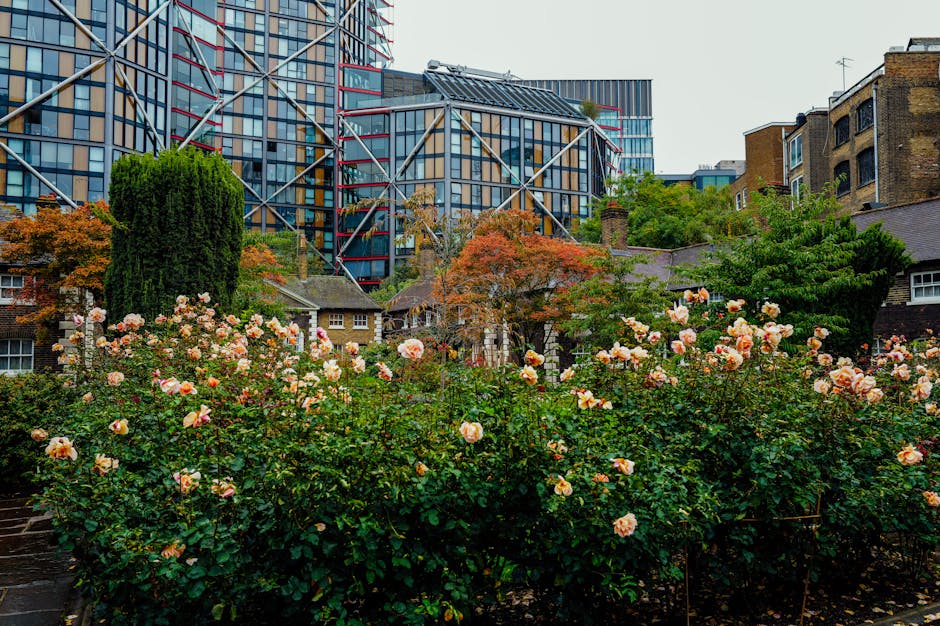
Gardeners for Shoreditch High Street and Old Street homes: a practical guide to better local garden care
If you live near Shoreditch High Street or Old Street, you already know the garden question is rarely simple. Maybe it is a compact courtyard that never quite settles, a roof terrace that bakes by midday, or a small front space that gets hammered by wind and city dust. That is exactly where Gardeners for Shoreditch High Street and Old Street homes make a real difference: not by overcomplicating things, but by understanding what these homes actually need day to day. In this guide, you will find clear advice on how local garden care works, what to expect, what to avoid, and how to get results that look good without creating more work for yourself.
Truth be told, the best gardens in this part of London are usually the ones designed around real life: limited space, changing shade, privacy concerns, and the odd "we'll sort that next weekend" moment that somehow becomes three months. Let's make it easier.
Why Gardeners for Shoreditch High Street and Old Street homes Matters
Outdoor spaces around Shoreditch High Street and Old Street often sit in a tough middle ground. They are urban, exposed, and usually smaller than people wish they were. But that does not mean they cannot be attractive, functional, and genuinely restful. It just means the approach needs to be more thoughtful.
City gardens deal with a few familiar pressures. Hard surfaces reflect heat. Tall buildings create pockets of shade. Wind channels between property lines. Soil can be tired, compacted, or inconsistent. And if you have a terrace or enclosed yard, drainage may become one of those annoying issues you only notice after a heavy rain. A garden that works in a large suburban plot often falls flat here.
That is why local knowledge matters. A gardener who understands these homes will look at more than planting preferences. They will notice light levels across the day, how privacy changes from one angle to another, whether the space needs low-maintenance structure, and whether the layout should support family use, pets, or simple after-work calm. Small differences, big impact.
You will also find that many Shoreditch and Old Street homeowners want the same three things at once: style, durability, and easy upkeep. Not a crazy ask, really. The trick is balancing them without ending up with a garden that looks lovely for two weeks and then becomes a bit of a slog.
If the space is tired, a focused refresh can help. For a broader transformation, it is worth exploring first steps in garden revival as a useful starting point for thinking through priorities before any bigger changes.
Expert summary: In local urban gardens, success usually comes from smart design choices, regular upkeep, and planting that suits shade, wind, and limited ground space. Flashy ideas are fine, but they have to earn their keep.
How Gardeners for Shoreditch High Street and Old Street homes Works
Good garden care usually begins with a proper look at the space rather than a rushed list of jobs. That sounds obvious, but in practice it is where better outcomes start. A gardener will normally assess the site conditions, ask how you use the space, and note the balance between maintenance, appearance, and longer-term improvement.
For example, a narrow rear garden with patchy grass may need a different plan from a paved courtyard where the main issue is weed growth and softening the hard edges. One might benefit from planting structure, hedge shaping, and soil improvement. The other may need container planting, lighting-friendly layouts, or a cleaner line between patio, borders, and access paths.
The working process often looks something like this:
- Initial assessment: identifying sunlight, shade, drainage, access, and the condition of lawns, beds, hedges, fencing, or decking.
- Priority setting: deciding what needs immediate attention, what can wait, and what should be redesigned rather than repeatedly patched.
- Maintenance plan: agreeing whether the space needs one-off restoration, seasonal tidy-ups, or ongoing care.
- Task delivery: carrying out mowing, pruning, weeding, planting, hedge trimming, clearance, or surface care in a sensible order.
- Aftercare: advising how to keep the result looking good between visits.
The best local gardeners are not just task-doers. They are practical problem-solvers. If your garden is always damp in one corner, or your climbers keep failing on a shady wall, they should be able to explain why and suggest a better approach. A good answer often saves you time, not just money.
For spaces where vertical planting or boundary cover is part of the plan, it can help to understand options like building a living wall or using resilient climbers to bring height without eating into floor space. In London gardens, that kind of thinking matters a lot.
Key Benefits and Practical Advantages
When garden care is tailored properly, the benefits go beyond "it looks nicer." Yes, that matters. But there is more to it than curb appeal.
- Better use of small spaces: compact gardens can feel bigger when the layout is organised and the planting is chosen with restraint.
- Less ongoing stress: a sensible maintenance routine stops jobs from snowballing. You know the feeling-one wet weekend and suddenly everything is a jungle.
- Improved privacy: hedging, screening, and layered planting can soften overlooking windows and busy sightlines.
- Healthier planting: the right soil care, pruning, and watering habits help plants survive local conditions more reliably.
- Safer, tidier surfaces: cleared paths, cleaner patios, and managed edges reduce slips, trips, and general mess.
- Longer-lasting design choices: good maintenance protects decking, fencing, and paving from avoidable wear.
- More enjoyable outdoor living: a well-kept garden is simply easier to use for coffee, reading, hosting, or a quiet reset after work.
There is also a quieter advantage that people do not always mention: confidence. Once the space is under control, you stop avoiding it. You open the door, step outside, and actually use it. That sounds small. It is not.
For homeowners who want low-fuss beauty, practical planting can make a huge difference. Ground-hugging planting and weed-suppressing layers are often smart choices, and these ground cover ideas for UK gardens show how useful that can be in tighter outdoor spaces.
Who This Is For and When It Makes Sense
This kind of garden support makes sense for a fairly wide group of people. If your outdoor space is underused, hard to maintain, or simply never quite feels finished, you are probably in the right place.
Homeowners with compact city gardens
If your garden is narrow, paved, or split into awkward levels, professional help can turn the space from "nearly there" into something coherent. A little structure goes a long way.
Busy professionals
Many people in Shoreditch and around Old Street want a garden that looks cared for without demanding their weekends. That usually means dependable maintenance and clear seasonal planning.
Families
Families often need a garden that is safe, flexible, and easy to tidy. That may involve softer planting, clearer play areas, or better visibility across the space. If you are thinking along those lines, a child-friendly garden approach can help shape the layout in a practical way.
Pet owners
Pet-friendly planting, durable surfaces, and sensible boundaries matter more than people think. One well-placed muddy patch and your nice clean hallway is no longer nice or clean.
Landlords and property managers
If you need an outdoor space to stay presentable for viewings, new tenants, or regular inspections, routine maintenance is usually more cost-effective than reactive rescue work.
Anyone planning a refresh
If the garden feels dated, patchy, or mismatched, it may be time for more than a tidy-up. A fresh plan can include planting, screening, fencing, decking, or general landscaping. That is where a more joined-up approach really pays off.
Step-by-Step Guidance
If you are wondering how to get started without overthinking the whole thing, use this practical sequence. It keeps things manageable and helps you avoid expensive detours.
- Walk the space at different times of day. Morning light, afternoon sun, and evening shade all tell different stories. A garden that looks bright at noon may be gloomy by five.
- List the problems first. Is it weeds, bare patches, privacy, poor drainage, clutter, or a layout that simply does not work?
- Decide what matters most. Choose your top two or three goals. More privacy? Easier maintenance? Better planting? A cleaner patio? Keep it realistic.
- Separate "need now" from "nice to have." If the fence is failing or the hedge has outgrown the boundary, deal with that before decorative extras.
- Choose planting that fits the site. For shade, wind, or container-based spaces, use plants suited to those conditions rather than fighting them.
- Build in maintenance habits. A good garden plan includes the future, not just the finish. Who cuts back what, and when?
- Review after the first season. The first few months teach you a lot. Some things will thrive. Some won't. That is normal.
In practice, the best gardens are rarely finished in one dramatic go. They settle into shape. Bit by bit. And that is fine.
For people who enjoy growing edible plants, a focused herb section is often one of the easiest wins. If that appeals, starting an herb garden can add fragrance, usefulness, and a bit of daily joy without needing a huge footprint.
Expert Tips for Better Results
Here is where small decisions make the biggest difference. Honestly, most garden headaches are not caused by one giant mistake. They come from lots of tiny things that add up.
- Think in layers. Use a mix of height, texture, and ground cover so the garden feels finished even in winter.
- Match plants to reality, not hope. If a wall is shaded and exposed, pick accordingly. Do not bully a plant into a job it hates.
- Keep pathways clear. In tight urban gardens, clutter builds quickly. Clear access makes the whole place feel bigger.
- Use containers strategically. Pots are brilliant for flexible design, but they need consistent watering and feeding. They are not magic.
- Prune with purpose. A sharp, light prune often helps more than a heavy cut-and-hope approach.
- Protect your hard landscaping. Clean patios, checked decking, and tidy joints make planting look better too.
- Plan for winter early. The best time to protect vulnerable plants is before the cold arrives, not after the first frost has already nipped them.
One more thing: in exposed spots, wind can ruin otherwise healthy growth. If your outdoor area feels like a wind tunnel on breezy days, it is worth reading practical advice on handling gusty winds in garden settings. A little shelter planning makes planting far more reliable.
And if you want a calmer, more restorative feel, soft layout ideas from zen garden styles can be surprisingly useful even in a modest city plot. No need to turn your yard into a Zen museum. Just borrow the restraint.

Common Mistakes to Avoid
Some mistakes show up again and again in local gardens. The good news? Most are avoidable.
- Choosing plants for looks alone: attractive on day one is not the same as suitable long-term.
- Ignoring drainage: especially in paved or lowered spaces, water movement can become a real nuisance.
- Overfilling the garden: too many features can make a small space feel cramped and awkward.
- Neglecting seasonal cuts: hedges, climbers, and grasses can become unruly very quickly if left alone.
- Using high-maintenance plants without a plan: lovely, yes. Sustainable for a busy household? Maybe not.
- Forgetting about sightlines and privacy: a beautiful garden can still feel exposed if the layout ignores neighbouring views.
- Putting off repairs: small fence issues, loose paving, or worn edges often get more expensive when delayed.
We have all seen a garden that started with enthusiasm and ended with three half-used bags of compost, a sagging trellis, and a vague promise to "sort it in spring." Happens to the best of us. What matters is noticing the pattern before the whole thing slips.
If weed growth is part of the problem, do not wait for it to take over. A practical read on effective weed control can help you understand what is manageable and what needs a more structured approach.
Tools, Resources and Recommendations
The right tools do not need to be fancy. They need to be reliable, sharp, and suited to the job. That is the whole story, really.
For most home garden work, a useful kit usually includes:
- quality secateurs for pruning and deadheading
- a hand fork and trowel for borders and containers
- strong gloves for thorny or rough work
- a rake for clearing leaves and debris
- garden bags or a tidy way to collect waste
- a hose or watering can that actually reaches where it needs to
- shears for hedge shaping and soft trimming
- a broom or patio brush for surface clean-downs
If you are building or refreshing a garden from scratch, useful support often sits across several areas rather than one. That may include gardening services for day-to-day upkeep, landscaping for structural changes, or patio cleaning to lift hard surfaces. A balanced garden usually depends on more than one kind of work.
Other recommendations worth keeping in mind:
- For small spaces: lean on containers, vertical planting, and smart screening.
- For shady spots: use shade-tolerant planting rather than trying to force lawn-heavy designs everywhere.
- For privacy: hedging and climbers often create softer, more natural screening than rigid structures alone.
- For textured planting: combine evergreen structure with seasonal interest so the garden does not disappear in winter.
Decking can be useful too, especially when you want a dry, usable seating area. If that is on your list, choosing the right decking material is worth careful thought because durability and appearance do not always pull in the same direction.
Law, Compliance, Standards and Best Practice
For home garden work, the big theme is simple: use safe, responsible practices and do not cut corners on anything that could affect people, property, or neighbouring boundaries. That includes tools, access routes, waste handling, and any work near trees, fences, or shared structures.
In the UK, garden and landscaping work often touches a few important best-practice areas:
- Health and safety: safe use of tools, sensible lifting, and clear working areas matter, especially on compact urban sites.
- Insurance: professional gardeners should be able to explain how they manage risk and what cover is in place for their work.
- Property boundaries: fence lines, overhanging growth, and shared access should be handled carefully and respectfully.
- Tree work: anything beyond basic pruning should be treated with caution and, where relevant, checked properly before action is taken.
- Waste removal: green waste should be dealt with responsibly rather than left as a surprise pile in the corner.
Best practice is not about making things sound bureaucratic. It is about protecting the homeowner and the worker, and avoiding the sort of mistakes that become costly later. A tidy, well-documented job is usually a safer job. And yes, that is the boring bit, but it matters.
If you want reassurance around professional standards, it is worth looking at pages such as insurance and safety, health and safety policy, and terms and conditions. They help set expectations, especially for larger or more involved jobs.
Options, Methods, or Comparison Table
Different outdoor spaces need different levels of input. The right choice depends on budget, time, and how you actually use the garden. Here is a practical comparison.
| Approach | Best for | Strengths | Trade-offs |
|---|---|---|---|
| Regular maintenance | Gardens that are already in decent shape | Keeps the space tidy, prevents bigger problems, supports healthy growth | Not enough if the layout is fundamentally wrong |
| One-off restoration | Overgrown or neglected gardens | Fast improvement, clears backlogged work, gives you a fresh base | Needs follow-up care to stay effective |
| Soft redesign | Spaces that function poorly but do not need a full rebuild | Improves flow, privacy, and usability without overbuilding | May require phased work over time |
| Full landscaping | Gardens needing structural change | Best for major layout issues, hard landscaping, and lasting transformation | More planning and investment required |
For many Shoreditch and Old Street homes, a soft redesign is the sweet spot. It brings order and style without making the garden feel overdone. Sometimes less really is more. Nice to say, harder to live by, but still true.
If privacy is high on your list, it may also be helpful to explore fast-growing hedges for privacy or sculpted hedge ideas. Both can support cleaner boundaries in a way that feels calm rather than closed in.

Case Study or Real-World Example
Imagine a typical first-floor terrace near Old Street. It is small, overlooked from one side, and mostly hard surfaced. The owner wants it to feel greener, more private, and easier to use for evening meals. At the same time, they do not want a garden that demands constant fuss.
A sensible plan might look like this: clean the hard surfaces, assess drainage, add a few large containers for structure, introduce evergreen screening on the overlooked side, and reserve one sunny corner for herbs or seasonal colour. A small seating area can be tucked into the calmest part of the terrace, with the planting used to soften the edges rather than crowd them.
Nothing dramatic. Just the right sequence.
Over a few weeks, the space shifts from a place the owner passes through to a place they actually sit in. Morning coffee outside. A quick watering routine. Less visual noise. More usable square footage, even though the physical size has not changed at all. That is the quiet value of good garden work.
If the space also includes tired edges or a worn approach, looking at welcoming seating ideas and container gardening for doorstep spaces can help make the design feel complete without overcomplicating it.
Practical Checklist
Use this as a quick sanity check before you book work or begin a refresh.
- Have you listed the main problems in order of importance?
- Do you know which areas get sun, shade, wind, or poor drainage?
- Have you decided whether the aim is maintenance, restoration, or redesign?
- Are the plants you want actually suited to the site conditions?
- Is privacy part of the brief?
- Do you need child-friendly or pet-friendly features?
- Are the patio, decking, fence, or hedge in good enough shape to support the planting plan?
- Do you have a realistic upkeep routine after the work is done?
- Have you thought about seasonal changes, especially winter?
- Are safety, access, and waste removal clear from the start?
If you can answer most of those confidently, you are in a good place. If not, that is fine too. Better to sort the basics now than to rework everything later.
Conclusion
Gardeners for Shoreditch High Street and Old Street homes are at their best when they bring local understanding, practical judgement, and steady care to spaces that are often small, exposed, and a bit awkward to begin with. The goal is not perfection. It is a garden that fits your life, holds up through the seasons, and feels worth stepping into.
Whether you need routine upkeep, a fuller refresh, privacy planting, better structure, or help making a difficult space feel calmer, a thoughtful approach always beats a rushed one. Start with the conditions in front of you, not the garden you wish you had. That one shift changes everything.
Get a free quote today and see how much you can save.
And if you are still weighing up the next step, that is completely normal. A good garden is built patiently, not pushed. One decent decision at a time, and the space begins to breathe again.

As a seasoned gardener, Patrick excels in providing assistance to numerous clients in achieving their gardening aspirations. His proficiency in writing further enhances his ability to cover a broad spectrum of topics pertaining to gardening and landscape architecture.