Shoreditch Park garden maintenance for Hoxton Square flats
Posted on 19/11/2026
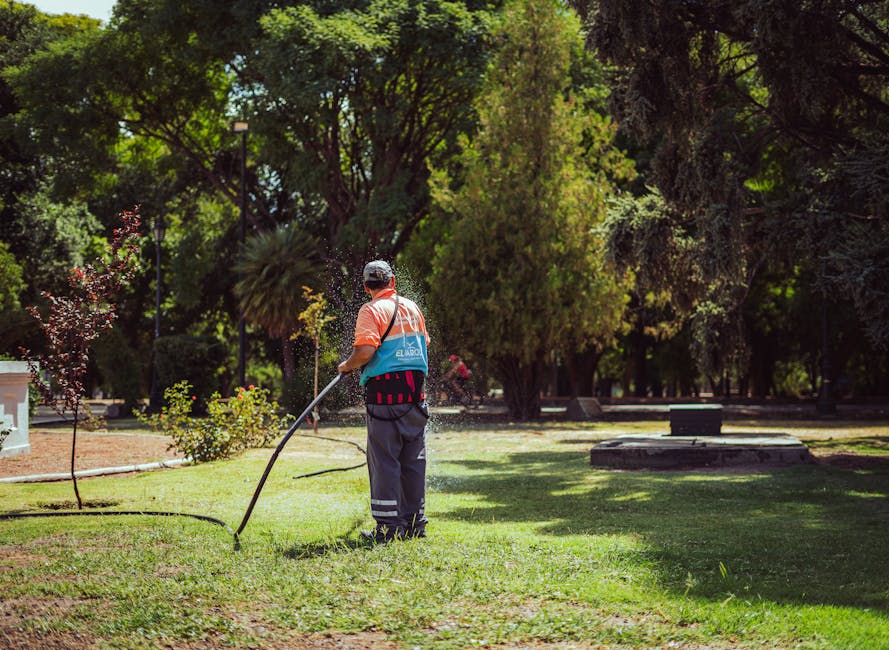
If you live in Hoxton Square flats, you already know the outdoor reality can be a bit of a mixed bag: a small courtyard, a balcony with ambitious plants, a shared podium garden, maybe a roof terrace that looks brilliant for two weeks and then starts asking for help. That is exactly where Shoreditch Park garden maintenance for Hoxton Square flats becomes useful. It is not just about tidying leaves or trimming things back. It is about keeping compact urban green spaces healthy, calm, and easy to live with-without turning them into a weekend chore you secretly dread.
Done properly, maintenance gives you more than neat edges. It keeps planting schemes resilient, protects hard surfaces, reduces weed pressure, and makes the whole space feel looked after rather than merely survived. In a busy part of London, that matters. And to be fair, the difference between "growing" and "getting by" is usually down to consistent care, not grand redesigns.
In this guide, we'll break down what this kind of maintenance actually involves, why it matters for flats near Hoxton Square, how it works in practice, and what to watch out for if you want better results with less fuss.
- Quick note: smaller spaces need sharper priorities.
- Good maintenance keeps plants looking intentional, not accidental.
- The best routine is usually simple, regular, and realistic.
Why Shoreditch Park garden maintenance for Hoxton Square flats Matters
Flats around Hoxton Square tend to share one thing in common: the outdoor areas are small, exposed, and used in a very human way. One resident wants herbs, another wants privacy, someone else just wants the bins hidden and the paving not slippery. The result is that garden maintenance has to do several jobs at once.
That is why a local, structured approach matters. Shoreditch Park-style maintenance is usually about keeping a patch of green functional in an urban setting, not chasing perfection for its own sake. If a planter is shaded half the day, a hedge gets wind-battered, or a terrace dries out fast in summer, a generic maintenance plan can miss the point completely.
Local conditions matter too. In London, compact gardens often deal with shade from neighbouring buildings, reflected heat from brick and paving, fast drying in windy spots, and limited storage for tools or bulky materials. That combination means problems show up quickly if you skip a few visits. A patch of weed seed, a clogged drain, or a plant that tips over in a gust can make the whole area look neglected in no time.
There is also the social side. Shared outdoor spaces around flats are visible. They shape first impressions for residents, guests, and sometimes landlords or managing agents. A tidy, healthy garden can make a building feel calmer and more cared for. A tired one can do the opposite, and nobody wants that feeling every time they come home with shopping bags and a bad coffee.
If you want a broader look at the kind of upkeep that supports small urban gardens, garden maintenance in Shoreditch is a useful starting point, especially for routine care across mixed planting and paved areas.
How Shoreditch Park garden maintenance for Hoxton Square flats Works
Good maintenance starts with observation. Before anything is cut, swept, fed, or replanted, you assess what the space actually needs. In flat settings, that usually means looking at sunlight, wind exposure, drainage, foot traffic, and how much time the residents realistically have to spend on upkeep.
From there, maintenance becomes a repeatable cycle rather than a one-off tidy-up. A sensible routine usually includes:
- Inspection: check plant health, soil condition, drainage, pests, and safety issues.
- Clearance: remove fallen leaves, litter, dead stems, and anything blocking access or drains.
- Pruning and trimming: keep hedges, climbers, and shrubs within bounds.
- Soil care: top up mulch, compost, or fresh growing medium where needed.
- Watering review: adjust timing and frequency depending on season and exposure.
- Surface care: clean paving, check decking, and reduce slip risk.
- Plant replacement or rotation: refresh tired seasonal planting or swap weak specimens.
For Hoxton Square flats, this is often best done with a "light but frequent" rhythm rather than a big intervention every few months. Small spaces show neglect fast, but they also respond fast when you keep on top of things. That is the good news.
Some maintenance plans may also include container gardening support, which is often the most practical choice in flats. Containers can be moved to catch more light, grouped for impact, or replaced without disturbing the whole space. If you want ideas on making the most of pots and planters, container gardening ideas for compact spaces can be a helpful companion read.
Key Benefits and Practical Advantages
The biggest benefit is simple: less stress. A well-maintained outdoor area does not nag at you every time you glance outside. It feels settled. In city living, that's no small thing.
Beyond that, regular maintenance brings a few practical wins that are easy to miss at first:
- Better plant survival: healthy pruning, correct watering, and prompt deadheading reduce plant loss.
- Cleaner communal spaces: leaves, algae, and debris are managed before they become slippery or untidy.
- Improved appearance: the space looks intentional, even when planting is simple.
- More usable square footage: you reclaim walkways, seating areas, and access points.
- Lower repair risk: catching damage early is far cheaper than replacing rotting timber or broken trellis later.
- Better year-round resilience: plants are less likely to fail during heat, wind, or cold snaps.
There is also a soft benefit that people often underestimate. A cared-for garden changes how you use the space. People sit outside longer. They water plants more willingly. They stop treating the area like a leftover corner. And that shift in behaviour tends to keep the whole thing healthier. Funny how that works.
For buildings with a blend of paving and planting, it can be worth pairing maintenance with periodic surface cleaning. If your outdoor area includes stone, slabs, or shared access routes, patio cleaning in Shoreditch can support the overall finish and reduce the grime that creeps into otherwise tidy spaces.
Who This Is For and When It Makes Sense
This kind of maintenance is for anyone responsible for small outdoor areas attached to flats near Hoxton Square-especially where space is shared, planted in containers, or exposed to urban wear and tear. It suits private residents, landlords, property managers, and blocks with modest communal planting that needs a steady hand.
It makes particular sense if:
- the space looks good after a big tidy but declines quickly afterwards;
- you have several different plant types competing for limited light;
- the garden includes hedging, climbers, or small trees that need control;
- residents use the area regularly and want it to stay presentable;
- there is limited time or no one person "owning" the upkeep;
- you want to avoid emergency fixes before viewings, lettings, or gatherings.
It is also a good fit if you keep noticing the same headaches: moss on paving, herbs going woody, planters drying out too fast, or ivy trying to do what ivy does best-take over. If you recognise that last one, you are not alone.
For overgrown edges or privacy planting, a targeted service like hedge trimming in Shoreditch can be useful alongside broader maintenance, especially where growth affects light, access, or neighbours.
Step-by-Step Guidance
If you are managing a flat garden, roof terrace, balcony strip, or communal courtyard, the easiest way to stay in control is to follow a consistent process. Here's a practical version that works well in urban settings.
1. Start with a full condition check
Look at what is actually happening, not what the space looked like in spring. Check for dry patches, compacted soil, broken stems, blocked gullies, pest damage, and plants that are crowding each other out. If something seems off, it probably is.
2. Clear the obvious problems first
Remove fallen leaves, weeds, spent flowers, and dead material. This instantly improves the look of the space and helps you see hidden issues underneath. In a flat garden, tidiness is not cosmetic only; it often reveals drainage and plant-health problems early.
3. Prioritise structure over decoration
Before adding seasonal colour or new pots, make sure the basics are sound. Hedges, climbers, trellises, edging, and any seating or paved areas should feel stable and clean. It's like sorting the bones before the wallpaper.
4. Rebalance plants for the site
If a plant is constantly struggling, do not keep forcing it to fit. Move sun-lovers to brighter spots, replace thirsty varieties with more forgiving ones, and choose tougher plants for exposed corners. Urban maintenance improves when planting reflects actual conditions, not wishful thinking.
5. Refresh soil and feeding
Containers and raised beds lose nutrients quickly. Replacing the top layer of compost, adding organic matter, and feeding according to plant needs can make a very visible difference. If you want to understand soil renewal more deeply, improving soil with organic waste offers useful context.
6. Keep surfaces safe
Wet leaves, algae, and compacted dirt can make paths and patios slippery. In a shared residential setting, that is not something to leave until "next month". A quick sweep and wash-down often does more than a dramatic planting change.
7. Finish with a reset for the next visit
Maintenance should end with the space ready for the next round, not just the next photo. Put tools away, remove waste, note what needs attention, and set the next visit before problems reappear. Slightly boring, yes. Extremely effective, also yes.
Expert Tips for Better Results
Here is the bit that tends to separate decent upkeep from really reliable maintenance. None of these tips are flashy, but they add up.
- Work with the microclimate. A balcony facing one direction can be hot, windy, and dry while the back corner stays damp and shaded. Treat them as separate zones.
- Use hardy structure plants. Small urban gardens benefit from evergreen backbone planting. It stops the space looking bare in winter and gives the eye something steady to land on.
- Choose low-fuss ground cover where appropriate. In small beds, bare soil invites weeds and looks unfinished. Good ground cover softens edges and reduces maintenance pressure. A useful reference is ground covers that suit UK gardens.
- Prune for light, not just shape. A clipped plant that blocks a window or shadows a lower bed can be doing more harm than good.
- Think vertical. In flat gardens, climbing plants and living walls can give impact without eating up floor space. That is especially handy where seating is limited. vertical planting and living wall ideas fit this space-saving approach well.
- Plan for wind. If your planting gets battered, use shelter, heavier pots, and wind-tolerant species. The right fix often feels small, but it saves a lot of breakage.
- Do not overfeed. Urban gardeners sometimes try to solve every problem with fertiliser. Plants can get soft, leggy, or stressed. Less can be more.
One small aside: if a plant is sulking after you move it twice in one month, that is not character building. It is just being stressed.

Common Mistakes to Avoid
Most maintenance failures in flat gardens are not dramatic. They are the result of a few repeated habits that quietly cause trouble.
- Cutting everything back at once. You can shock plants and remove the structure the space depends on.
- Ignoring drainage. A planter that stays wet at the base will eventually tell you, one way or another.
- Using the wrong plant in the wrong spot. It sounds obvious, but it is still one of the commonest issues.
- Letting ivy and climbers run unmanaged. They can become heavy, invasive, or destructive if left alone.
- Forgetting seasonal shifts. Summer watering needs are very different from winter protection, and the maintenance plan should reflect that.
- Leaving surfaces dirty for too long. In small spaces, a grubby patio makes the whole garden feel older than it is.
- Skipping regular checks because the garden "looks fine". That usually means something hidden is growing, drying out, or rotting.
For heavier climbers or privacy planting, it is worth keeping an eye on long-term control. If needed, a specialist approach to managing permanent ivy growth can help prevent structural headaches later on.
Tools, Resources and Recommendations
You do not need a van full of equipment to maintain a small urban garden well. In fact, too many tools can become their own storage problem. The goal is to keep things compact and effective.
A sensible kit usually includes:
- hand pruners and secateurs for tidy cuts;
- a small hand fork and trowel for container work;
- gloves that are actually comfortable, not just "available";
- a watering can or hose attachment suited to the layout;
- a stiff brush for paving and edges;
- basic waste bags or a trug for cuttings;
- ties or soft supports for climbers and young stems.
For better upkeep, a few resources are especially useful in practice. A seasonal care plan, a simple plant list, and a note of sunny, shady, windy, and damp zones can save a surprising amount of guesswork. If you are starting from scratch, garden revival basics can help you think in terms of priorities rather than perfection.
And for the more practical side of care, it helps to choose techniques that are affordable to maintain. There is little point installing something beautiful if it becomes high-maintenance by month three. A good reference point is stress-free garden maintenance ideas.
If you want to understand the wider service context, you may also find the main gardening services in Shoreditch page useful when comparing what kind of support different flat gardens may need.
Law, Compliance, Standards, or Best Practice
For garden maintenance in flats, compliance is usually less about formal paperwork in the garden itself and more about safe, considerate, and well-managed practice. If you are dealing with shared access, balconies, roof terraces, or communal areas, common sense and safety standards matter a great deal.
In practical terms, that means:
- keeping pathways clear and not overfilling shared routes with tools or waste;
- using ladders, cutting tools, and hedge equipment carefully and appropriately;
- checking that surfaces are not left slippery after washing or wet weather;
- being careful with pruning near windows, neighbours, or railings;
- disposing of green waste responsibly;
- making sure plant selections do not create avoidable nuisance, obstruction, or damage.
For larger or more complex jobs, especially where height, heavy lifting, or tree work is involved, it is sensible to use insured, safety-conscious professionals. If that is a concern, insurance and safety information and the health and safety policy are the kinds of pages a careful reader should always check. If your maintenance includes larger growth management, tree surgery support may also be relevant where appropriate.
In a shared building, best practice is really about reducing risk and keeping everyone informed. A quick note to residents about access, noise, or drying times goes a long way. Not glamorous, but then neither is slipping on a wet terrace at 8:10 on a Tuesday morning.
Options, Methods, or Comparison Table
There is more than one way to maintain a flat garden well. The right method depends on size, usage, budget, and how much control you want over the result.
| Method | Best for | Strengths | Watch-outs |
|---|---|---|---|
| DIY light maintenance | Very small balconies, pots, and simple planters | Low cost, flexible, easy to fit around your schedule | Can slip quickly if you miss a few weeks |
| Scheduled professional visits | Shared courtyards, mixed planting, and visible communal spaces | Consistent standards, less stress, better seasonal timing | Needs a budget and clear expectations |
| Seasonal intensive tidy-ups | Spaces that only need occasional reset | Useful for spring refresh or autumn clean-down | Problems can build between visits |
| Hybrid approach | Residents who handle light tasks but want expert support for harder jobs | Balanced cost and control | Needs a clear handover of responsibilities |
For many Hoxton Square flats, the hybrid approach is the sweet spot. Residents can water, deadhead, and keep things neat, while a professional handles pruning, clearing, soil refresh, and harder seasonal work. That split tends to be both realistic and sustainable.
If your outdoor area includes a larger seating platform or decking section, it is worth thinking about the materials as part of the maintenance plan too. choosing a decking material with maintenance in mind can save time later.
Case Study or Real-World Example
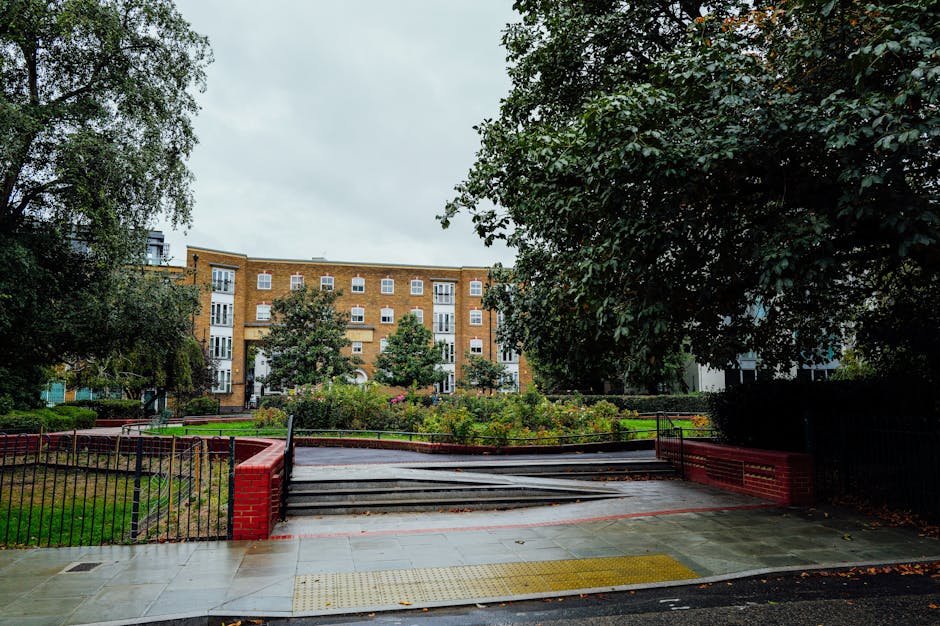
Imagine a small courtyard behind a block of flats near Hoxton Square. It has three raised planters, a narrow paved path, one awkwardly placed bench, and a climber that looked lovely in May but started to sprawl by August. Nothing dramatic. Just the kind of space that quietly slips from "nice" to "messy" if nobody keeps an eye on it.
In that kind of setting, the first visit usually focuses on clearing debris, cutting back leggy growth, checking drainage around the planters, and removing the weeds that have crept in along the paving joints. The second step is often practical rather than pretty: reset the planting structure, add compost, and decide what should stay and what should be replaced.
What tends to surprise people is how much calmer the space feels after a straightforward reset. Not a total makeover. Just a proper tidy, sharper edges, and plants that make sense for the light. A resident who had stopped using the bench might suddenly start sitting there again with a book in the late afternoon. Little thing, really, but it changes the feel of the building.
That is the real value of regular maintenance. It creates usable space, not just improved photos.
Practical Checklist
Use this checklist before or during a maintenance visit. It keeps things focused and stops the job drifting into guesswork.
- Check for weeds in beds, pots, and paving joints.
- Remove fallen leaves, dead flowers, and litter.
- Inspect plants for dryness, disease, or overcrowding.
- Prune back any growth blocking paths, windows, or seating areas.
- Review drainage and clear blocked outlets or saucers.
- Refresh compost or mulch where the soil looks tired.
- Clean paving, decking, or other surfaces if they are slippery or stained.
- Tie in climbers and support heavy stems.
- Replace weak, damaged, or out-of-place plants.
- Confirm that the space still works for the people using it.
If you can answer yes to most of those items, you are in a good place. If not, the garden probably needs a proper reset rather than a quick once-over.
Conclusion
Shoreditch Park garden maintenance for Hoxton Square flats is really about making small spaces work hard without making life harder for the people who live with them. In a city setting, that means balancing plant health, safety, appearance, and practicality all at once. The best results usually come from regular, realistic care rather than the occasional heroic effort.
Whether you are looking after a balcony, a shared courtyard, or a compact planted terrace, a steady maintenance plan can keep the space fresh, usable, and genuinely pleasant through the seasons. And if you get the basics right-light, drainage, pruning, cleaning, and sensible plant choice-the garden starts feeling like part of the home again, not a task hanging over you.
For larger projects or a fuller outdoor refresh, it can also help to explore related support such as landscaping in Shoreditch or lawn care in Shoreditch where relevant to the space. There is no single right answer, just the right level of care for the way your flat actually works.
Get a free quote today and see how much you can save.
Sometimes the smallest gardens need the most thoughtful hands. Get that part right, and the whole place breathes easier.

As a seasoned gardener, Patrick excels in providing assistance to numerous clients in achieving their gardening aspirations. His proficiency in writing further enhances his ability to cover a broad spectrum of topics pertaining to gardening and landscape architecture.